The stone garden
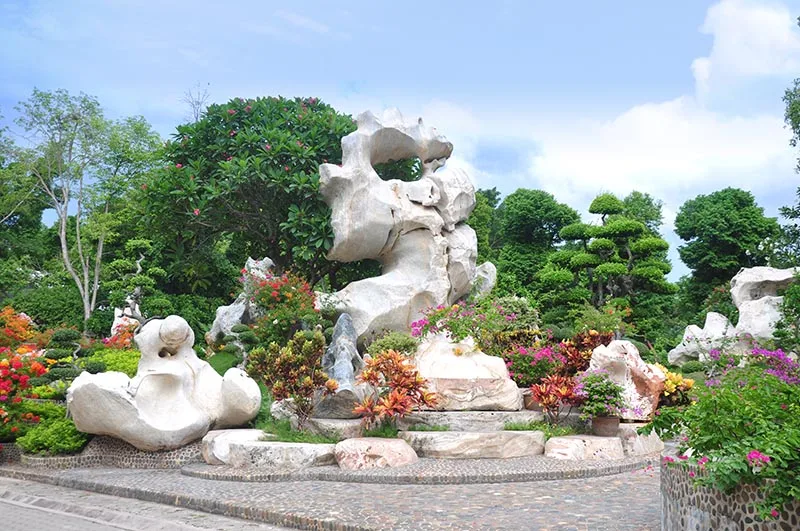
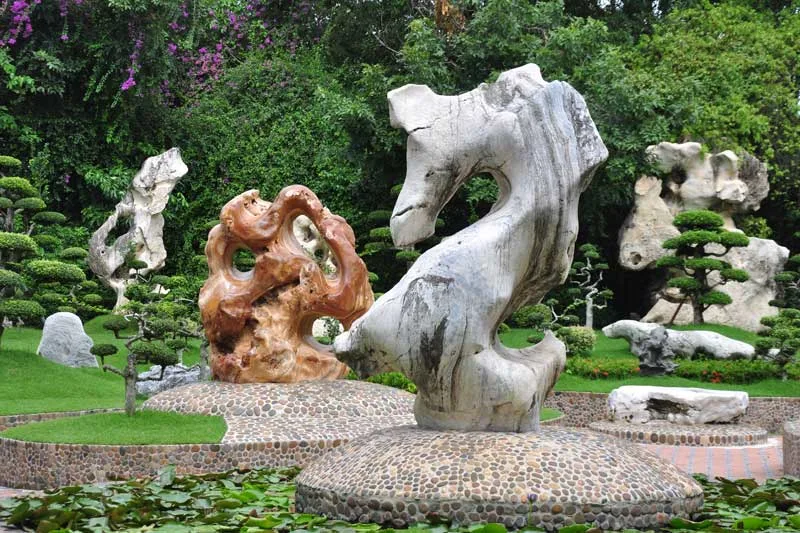
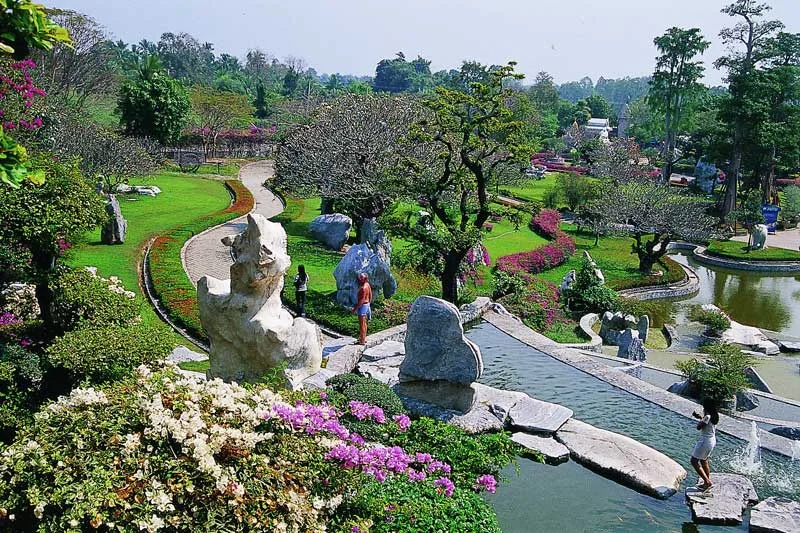
Shaped rocks and bonsai trees, with paths between them.
A garden of giant rocks and bonsai, a small zoo and a crocodile farm with a show several times a day, north of Pattaya.
Check availability and priceFrom 380 THB, when booked in advance.
Most of the visit is outdoors, among gardens, animals and crocodiles. According to the Tourism Authority of Thailand, November to February are the cooler months in the country, at 18 to 28 degrees, and March to May are hotter, at 28 to 38 degrees. The rainy season runs roughly from May to October.
The park is on Chaiyaphruek Road (Highway 3024), about five km from Sukhumvit Road at Km 140, near a pedestrian bridge opposite Wat Sawangfa. The drive from central Pattaya takes about a quarter of an hour.
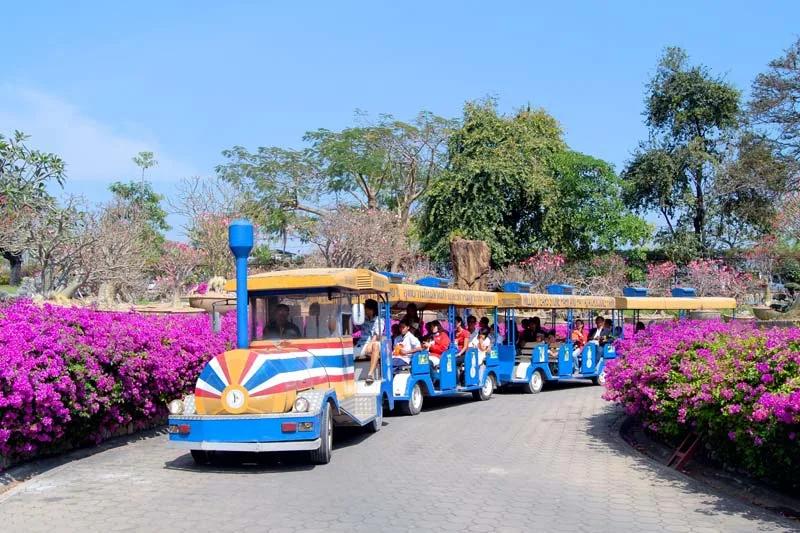
The park is open and partly shaded: In-Chan trees shade the paths, and the large animals live in separate, spacious areas.
The crocodile shows take place throughout the day, so it is easy to plan the visit around one of them.
Rocks, bonsai, crocodiles and a zoo
The park is built around The park is built around a garden of giant rocks and bonsai trees, with paths among the greenery.
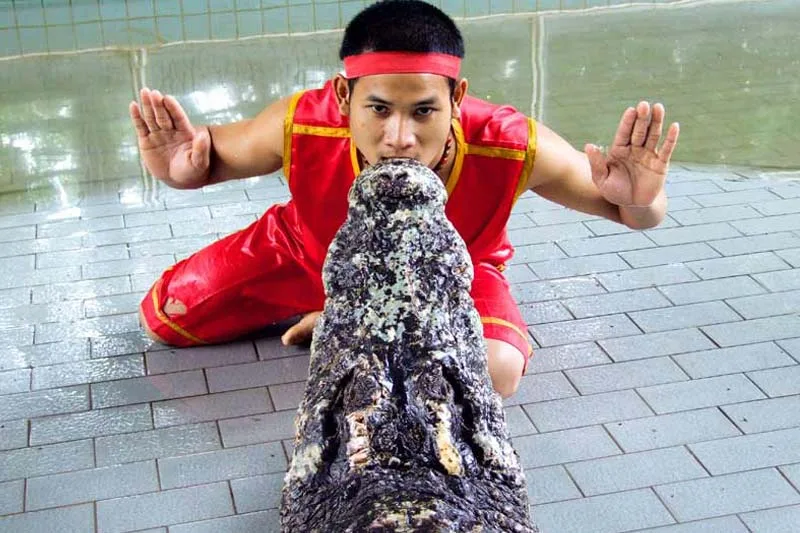
Inside there is a crocodile farm with a show several times a day, and a Zoo small zoo, including white tigers.
Shaped rocks and bonsai trees, with paths between them.
Almost every hour, from 9:00 to 17:00.
Giraffes, camels, white tigers and more.
The park is open every day, 8:00–17:00.
The park was founded by a nature-loving businessman, Suan Phanomwattanakul, who spent more than thirty years collecting rare and unusual natural objects. Construction at the present site ran from 1989 to 1992, and the park opened to the public on 1 February 1992. The founder designed the layout himself, and the buildings were designed by Dr Phinyo Suwankhiri, an associate professor and National Artist of Thailand. The official website presents the place as a living museum of animals, plants and minerals.
The rock garden has natural rocks in unusual shapes, and some look like animals. Each rock weighs up to 90 tons. The heaviest rock in the park, the Dragon Stone, weighs 90 tons and resembles a dragon. Another rock resembles the Venus de Milo statue in the Louvre.
The park displays petrified tree trunks that are millions of years old, and Thai-style mai dat bonsai that is more than 200 years old, from the Ayutthaya and Rattanakosin periods. Traditional species include ta-kok, mok, khoi and tamarind. More than 200 In-Chan trees shade the paths, and the garden grows the Pattaya cycad, a rare species first found in Rayong province and endangered in the wild.
The crocodile farm breeds its own crocodiles. According to the official website it holds thousands of saltwater and freshwater crocodiles, the largest saltwater crocodile population in Thailand, and the largest water area among similar farms in Thailand. An adult saltwater crocodile reaches four to five metres, and a freshwater crocodile three to four.
In the crocodile show a handler with more than thirty years of experience puts his bare hands or his head into a crocodile's mouth. According to the official website a crocodile's mouth has 66 teeth, and its bite force is about one ton.
Besides the white tigers, the zoo is home to elephants, camels, bears, several deer species, giraffes and zebras. There are also birds: sarus cranes, emus, ostriches, cassowaries, macaws and peafowl. The website also presents albino animals: a bear, horses, cows and crocodiles.
White tigers usually have blue eyes and a pink nose, and the stripe pattern is unique to each tiger. The stripes are in the skin itself, so they remain even if the fur is shaved. An adult male weighs 200 to 230 kg and is about three metres long.
The park also has giant fish: giant catfish that average about 100 kg at the farm, and two endangered species, the bok fish and the thepha fish. The bok fish is a Mekong giant catfish that reaches up to three metres and has no scales.
Opened to the public on 1 February 1992
Natural rocks weighing up to 90 tons
Petrified tree trunks millions of years old
Thai bonsai more than 200 years old
A crocodile farm that breeds its own crocodiles
Albino animals: a bear, horses, cows and crocodiles


A family five-star hotel on a private beach in north Pattaya, with a water park, a kids club…
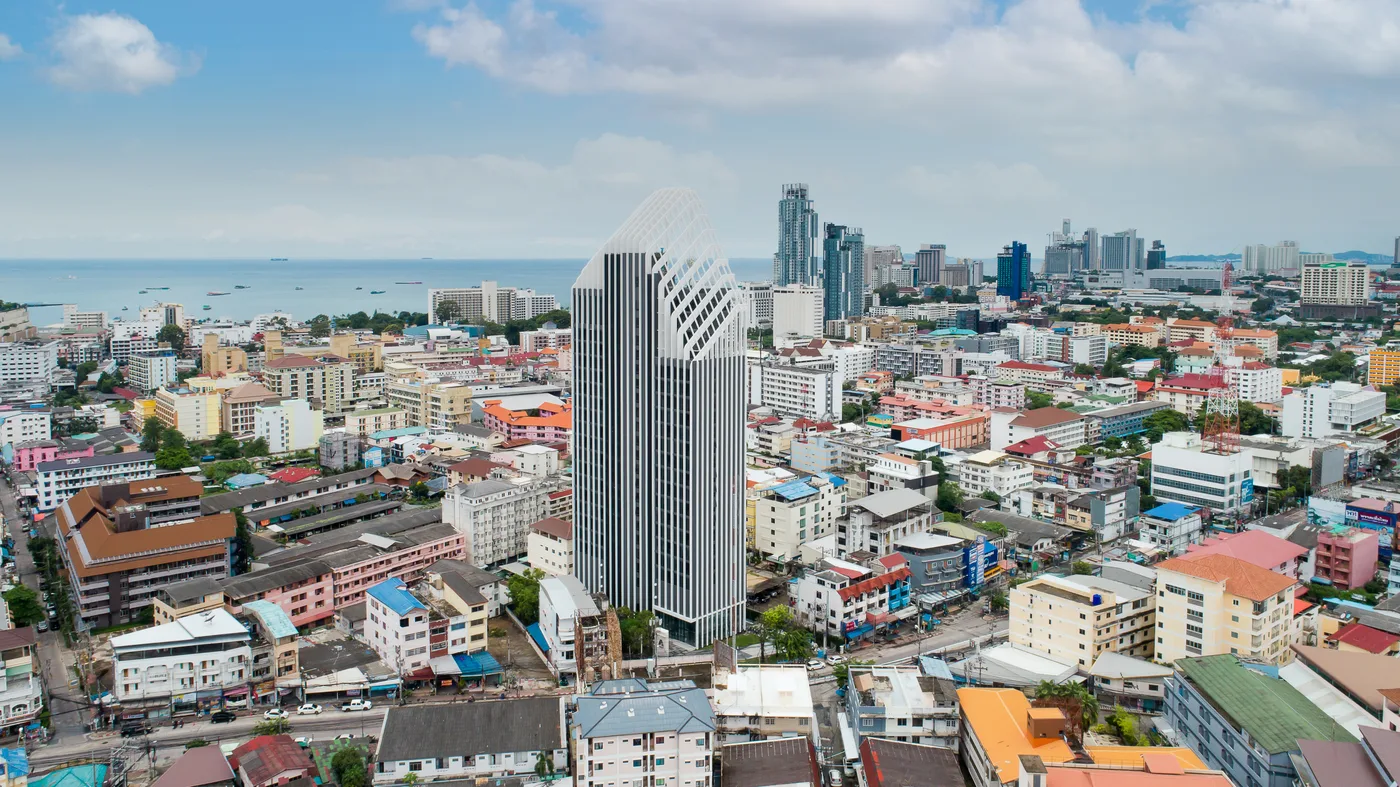
Five-star hotel in central Pattaya, with an infinity pool, a rooftop bar on the 24th floor and 224 rooms…

Five-star hotel in north Pattaya, on a headland descending to a private beach, with swimming pools…

Family five-star hotel in the heart of Pattaya, with a huge lagoon pool and an artificial sand beach…
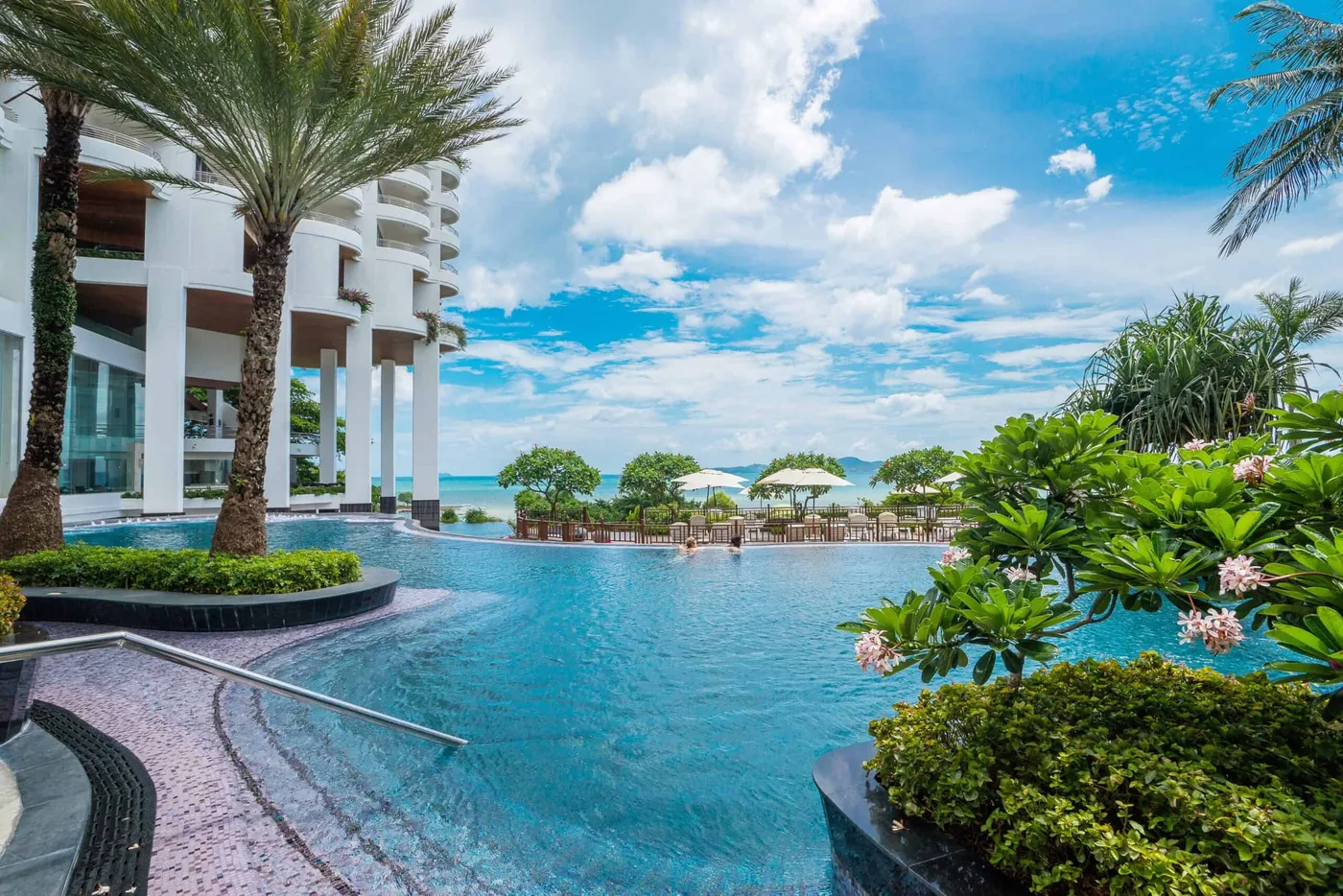
Five-star hotel in Pratamnak, Pattaya, with rooms and suites on high floors facing the sea…
When you send an inquiry, we keep the details you provided (name, phone, email and trip details) to handle your inquiry, get back to you and for the uses you approved in the form, as set out in the Privacy policy. Beyond that, two things need your permission: Analytics of pages viewed, and Embedded content such as videos and maps that come from other services and can see your IP address.
Your choice is saved in your browser, and you can review and change it at any time in the privacy policy.